



Prescription Lenses vs. Prescription Coloured Contacts: Which is Right for You?
When it comes to vision correction, you have two main options: prescription lenses (glasses) and prescription coloured contacts. While both serve the fundamental purpose of correcting refractive errors, they differ significantly in convenience, aesthetics, comfort, and care requirements.
If you’re considering making the switch from glasses to coloured contacts or vice versa, this comprehensive guide will help you understand the differences, benefits, and potential drawbacks of each option.
Understanding Prescription Lenses
What Are Prescription Lenses?
Prescription lenses are corrective lenses fitted into eyeglass frames to help improve vision for individuals with refractive errors such as:
- Myopia (Short-sightedness) – Difficulty seeing objects at a distance.
- Hyperopia (Long-sightedness) – Difficulty seeing objects up close.
- Astigmatism – Blurred vision due to an irregularly shaped cornea.
- Presbyopia – Age-related difficulty in focusing on nearby objects.
Types of Prescription Lenses
There are several types of prescription lenses designed to address different visual impairments:
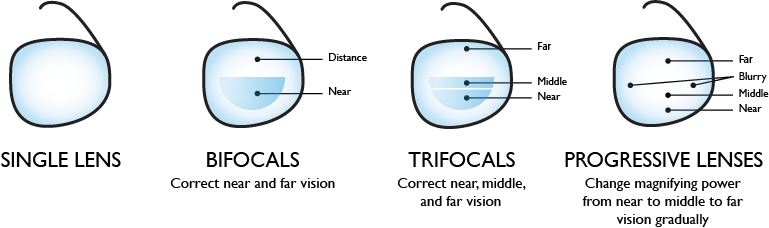
- Single Vision Lenses – Correct one field of vision (near or far).
- Bifocal Lenses – Contain two prescriptions for near and distance vision.
- Progressive Lenses – Offer a smooth transition between multiple vision zones.
- Photochromic Lenses – Darken in sunlight and clear indoors.
- Blue Light Blocking Lenses – Reduce digital eye strain from screens.
Benefits of Prescription Glasses
- Ease of Use – Simply put them on and take them off without hassle.
- Lower Maintenance – No need for cleaning solutions or hygiene concerns.
- Style Statement – Frames can complement your personality and fashion sense.
- Long-Lasting – With proper care, a good pair of glasses can last years.
- Less Risk of Eye Infections – Unlike contacts, glasses don’t touch your eyes.
Understanding Prescription Coloured Contacts
What Are Prescription Coloured Contacts?
Prescription coloured contact lenses combine vision correction with an aesthetic change. They are designed for individuals who need corrective lenses but also want to enhance or change their eye colour.
These lenses are available in different tints:
- Enhancement Tint – Boosts your natural eye colour.
- Opaque Tint – Completely changes the colour of your eyes.
- Visibility Tint – A faint tint that doesn’t affect eye colour but helps with handling.
Types of Prescription Coloured Contacts
Prescription coloured contacts come in various forms, just like regular contact lenses:
- Daily Disposable Lenses – Single-use lenses that are discarded after one day.
- Monthly Lenses – Can be worn for up to a month with proper cleaning.
- Toric Lenses – Designed for individuals with astigmatism.
- Multifocal Lenses – Correct both near and distant vision in one lens.
Benefits of Prescription Coloured Contacts
- Aesthetic Appeal – You can experiment with different eye colours.
- Natural Appearance – High-quality lenses mimic real iris patterns.
- Peripheral Vision – Unlike glasses, contacts provide a wider field of view.
- No Fogging – Ideal for sports and outdoor activities.
Key Differences Between Glasses and Coloured Contacts
| Feature | Prescription Glasses | Prescription Coloured Contacts |
| Vision Correction | Yes | Yes |
| Aesthetic Change | No | Yes |
| Ease of Use | Easy | Requires practice |
| Maintenance | Low | Moderate to high |
| Comfort | Varies | Can cause dryness or irritation |
| Peripheral Vision | Limited | Unobstructed |
| Risk of Eye Infection | Low | Higher (if not handled properly) |
Pros and Cons of Prescription Glasses
Pros:
- Convenient and easy to wear.
- Available in different styles and frame materials.
- No direct contact with the eyes, reducing the risk of infection.
- Generally more cost-effective in the long run.
Cons:
- Can be inconvenient for active individuals.
- Frames may distort peripheral vision.
- Susceptible to fogging, scratches, and breaking.
- Some people feel self-conscious wearing glasses.
Pros and Cons of Prescription Coloured Contacts
Pros:
- Allows you to change your eye colour while correcting vision.
- Provides a more natural look without frames.
- Enhances peripheral vision.
- Ideal for sports and physical activities.
Cons:
- Requires daily cleaning and proper hygiene.
- Higher risk of eye infections if not handled correctly.
- Can cause dry or irritated eyes, especially for beginners.
- More expensive over time compared to glasses.
How to Choose Between Glasses and Coloured Contacts
Choose Prescription Glasses If:
- You want a hassle-free vision correction solution.
- You don’t want to deal with lens maintenance.
- You have sensitive or dry eyes.
- You want a stylish accessory that enhances your overall look.
Choose Prescription Coloured Contacts If:
- You want to change your eye colour while correcting vision.
- You need a wider field of view without obstructions.
- You are comfortable with a daily lens-care routine.
- You engage in sports or outdoor activities where glasses may be impractical.
Conclusion
Both prescription lenses and prescription coloured contacts have their own advantages and drawbacks. Glasses are an excellent low-maintenance, long-term solution, while coloured contacts offer aesthetic versatility and an unobstructed view. The best choice depends on your lifestyle, personal preference, and comfort level.
If you’re considering switching to coloured contact lenses, make sure to consult with your optometrist for a proper fitting and guidance on care. And if you’re looking for high-quality prescription glasses or stylish designer eyewear, Sunglasses.ie offers a huge range of options with expert advice and fitting services. No matter your choice, prioritising eye health should always come first!
No matter your choice, prioritising eye health should always come first!